
 Today, 10th October 2026, the African Space Leadership Institute (ASLI) joins the international community in marking the anniversary of the Outer Space Treaty (OST). With 117 States Parties, the Treaty remains the foundation of international space law, establishing principles for the exploration and use of outer space, including non-appropriation, freedom of exploration and State responsibility for national space activities.
Since 1967, outer space has changed significantly. Satellites have become integral to communication, navigation, agriculture, disaster management, commerce, economic and human development. Private and military space activities, large satellite constellations and renewed lunar exploration, have introduced new legal and governance questions. The Treaty’s principles remain central, but applying them to an increasingly complex space environment requires sustained international cooperation and effective national frameworks. For Africa, this is both a responsibility and an opportunity to shape the future of space governance.
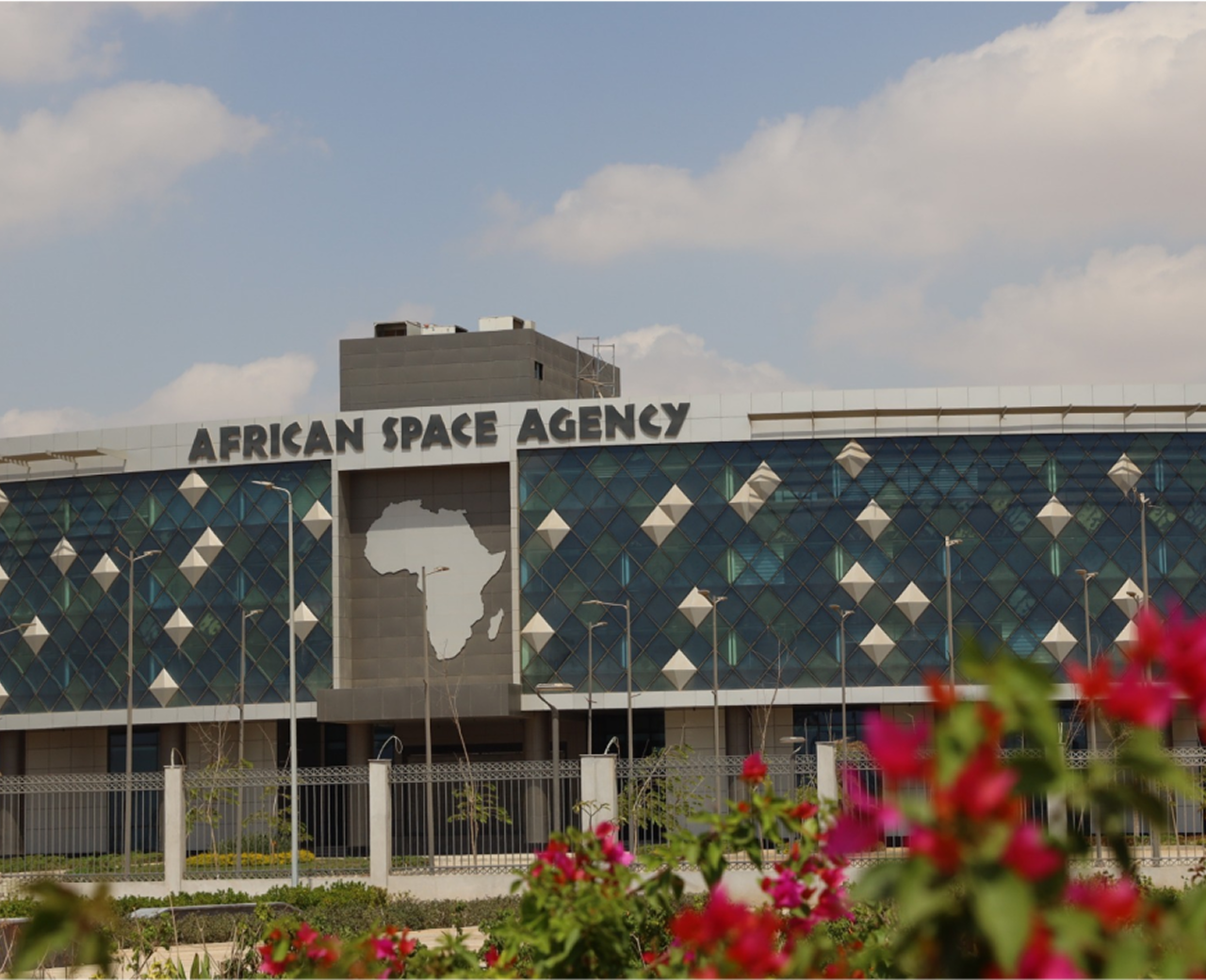
African States have joined the international space law framework while developing their own capabilities and institutions. The African Union adopted the African Space Policy and Strategy in 2016, providing the continent with principles and guidelines for space activities. It also established the African Space Agency for continental coordination and greater participation in international space affairs.
However, developing space programmes and institutions must go hand in hand with developing the expertise needed to govern them. States need professionals who can translate international obligations into national legislation, assess emerging regulatory questions, negotiate international partnerships and represent African interests in multilateral forums.
As the international community prepares for UNISPACE IV in 2027 (which will coincide with the 60th anniversary of the OST), the question for Africa is not simply how to participate in space, but how to participate in shaping the rules that govern it.
Access to space creates opportunities. The capacity to govern it helps ensure that those opportunities serve Africa’s interests and contribute to the sustainable use of outer space for all.
ASLI remains committed to its mission and objectives, and calls on governments, institutions and stakeholders across the continent to invest in the capabilities, competences and capacity, needed to secure Africa’s place in the future of space exploration, governance and use.
Media and Public Relations Bureau
10th October 2026